

Inflation severely affected Australia in 2022—did you know prices rose 6.1% that year?
Whenever prices rise, everybody feels the strain—and choosing the right loan can really make or break you.
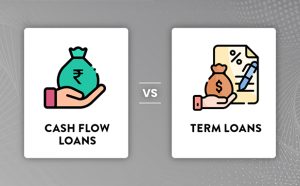
Two loan examples come to mind: cash flow loan vs term loan.
They both can help when needed, yet at very different periods.
In this blog, you will find details on the pros and cons of a cash flow loan or term loan as a guideline about making wise choices, in this case about cash flow loans vs term loans cash flow issues.
What’s A Cash Flow Loan?
A cash flow loan quickly provides cash based on your business’s revenue instead of your business’s hard assets. Lenders look at how much cash flows into your business—e.g., your sales and your invoicing—rather than big assets.
Since it’s based on cash flow, it’s speedy; cash flow loans are often approved within just days, making them a popular option for emergency business loans for cash flow problems.
You will repay the cash flow loan in weeks to months—often from the next day’s cash flow from your business income. Therefore, the cash flow loan option is a short-term business loan option.
What’s A Term Loan?
Term loans are bigger and slower. You borrow a set amount and pay it back over years—sometimes 5 or 10. Lenders check your credit and assets, not just your cash flow.
Repayments are fixed monthly and trackable with a term loan repayment calculator in Australia. It’s a business loan choice for the long haul, suited for steady, planned spending.
How They Differ
Here’s a simple breakdown:
| Aspect | Cash Flow Loans | Term Loans |
|---|---|---|
| Loan Purpose | Designed to cover short-term working capital needs and operating expenses. | Typically used for larger, long-term investments such as equipment purchase, real estate or expansion. |
| Repayment Period | Short repayment period, often ranging from a few months to a year. | Longer repayment period, usually between 3 to 10 years. |
| Approval Speed | Faster approval and disbursement process. | The approval process can take longer due to detailed credit checks. |
| Collateral Requirement | Often unsecured, meaning no collateral is required. | May require collateral, especially for large loan amounts. |
| Interest Rates | Interest rates are generally higher due to the unsecured nature and short-term repayment structure. | Lower interest rates compared to cash flow loans. |
Cash Flow Loans During Inflation
Inflation jacks up costs—think rent, supplies or wages. Cash flow loans for small businesses shine here. They’re fast, so you cover gaps when money’s tight.
Need cash now? This is your best business loan for inflation for quick fixes. Repayments flex with your income, easing pressure if sales dip. Curious about how to qualify for a cash flow loan in Australia? Show steady revenue—lenders want proof you earn regularly.
Term Loans During Inflation
Term loans take time but pack power. You get a lump sum for major moves—like new gear or a bigger shop. Fixed payments help you plan, even when prices climb.
For business loan options during high inflation, they’re steady—rates don’t jump like variable ones might. Use a term loan repayment calculator in Australia to see costs upfront. It’s less about speed and more about long-term survival.
Benefits Of Cash Flow Loans
Speed’s the star. Cash flow loans for small businesses hit your account fast—perfect for emergency business loans for cash flow problems. No big assets are needed—just show your sales.
Repayments match your cash flow, so if business slows, you’re not stuck. Inflation, when every dollar stretches less, keeps you moving.
Benefits Of Term Loans
Term loans offer stability. You lock in a rate, dodging inflation’s wild swings. Big amounts fund growth—like expanding during a price hike. Monthly payments are predictable—crucial when budgeting gets tough. For the best business loan for inflation over the years, this wins if you’ve got time to wait.
Cash Flow Loan vs Term Loan: Which Is the Best Business Loan for Inflation?
During inflation, businesses may face different financial challenges that require different types of loans.
Here’s a closer look at how cash flow loans and term loans address key business needs:
| Business Need | Cash Flow Loan | Term Loan |
|---|---|---|
| Covering operating expenses | Ideal for managing short-term cash shortfalls due to rising costs. | Not typically used for day-to-day expenses. |
| Investing in long-term assets | Not suitable for long-term projects. | Well-suited for large investments like equipment or property. |
| Urgent funding | Provides fast access to funds when immediate financial relief is needed. | It may not be as quick due to longer approval times. |
| Lower interest costs | Higher interest due to short repayment terms. | Lower interest, especially for secured loans. |
Key Considerations Before Applying
Before applying for either form of loan, consider the following points:
- Interest Rates: Do a comparison of interest rates and reflect how these rates will affect your repayment obligation.
- Repayment Terms: Consider whether short-term repayment or longer-term repayment options would meet your financial requirements.
- Collateral Requirements: Consider whether you are comfortable providing collateral or prefer an unsecured loan.
- Loan Flexibility: Certain lenders have adjustable repayment terms, which include being able to repay early without incurring penalties.
Secure Your Business Loan With Firstsource Finance Today!
Stuck choosing a cash flow loan vs a term loan? Firstsource Finance has your back! We find the best business loan for inflation fast—whether it’s quick cash flow loans for small businesses or solid term loans. Our experts cut through the mess, offering top rates and easy steps.